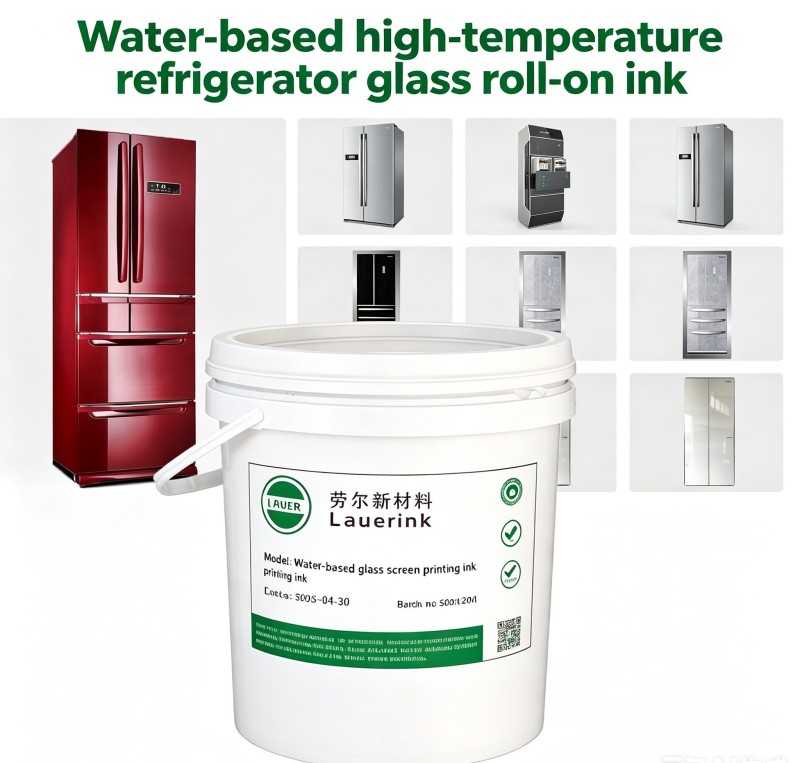
Water-Based High-Temperature Refrigerator Glass Roll-On Ink
Water Based Ink
-
+86 18022025378 WhatsApp
-
Yan@lauerink.com Email
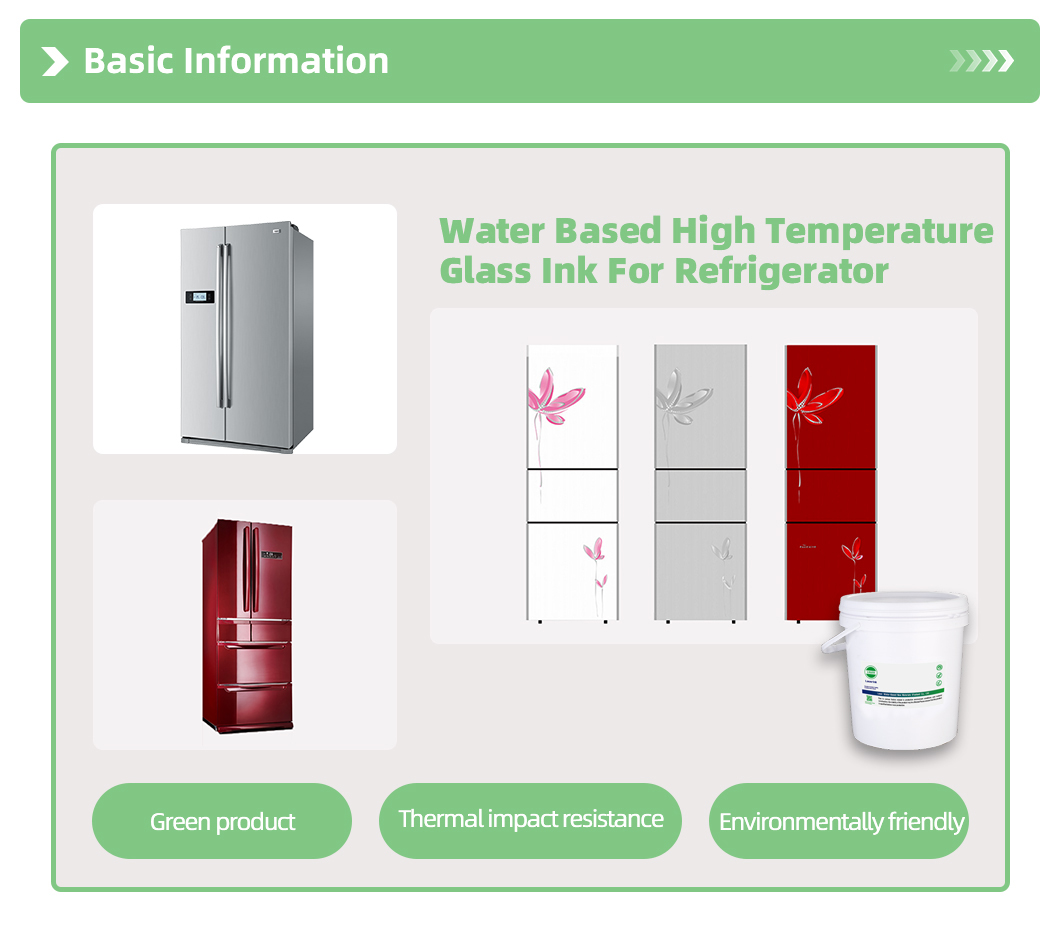
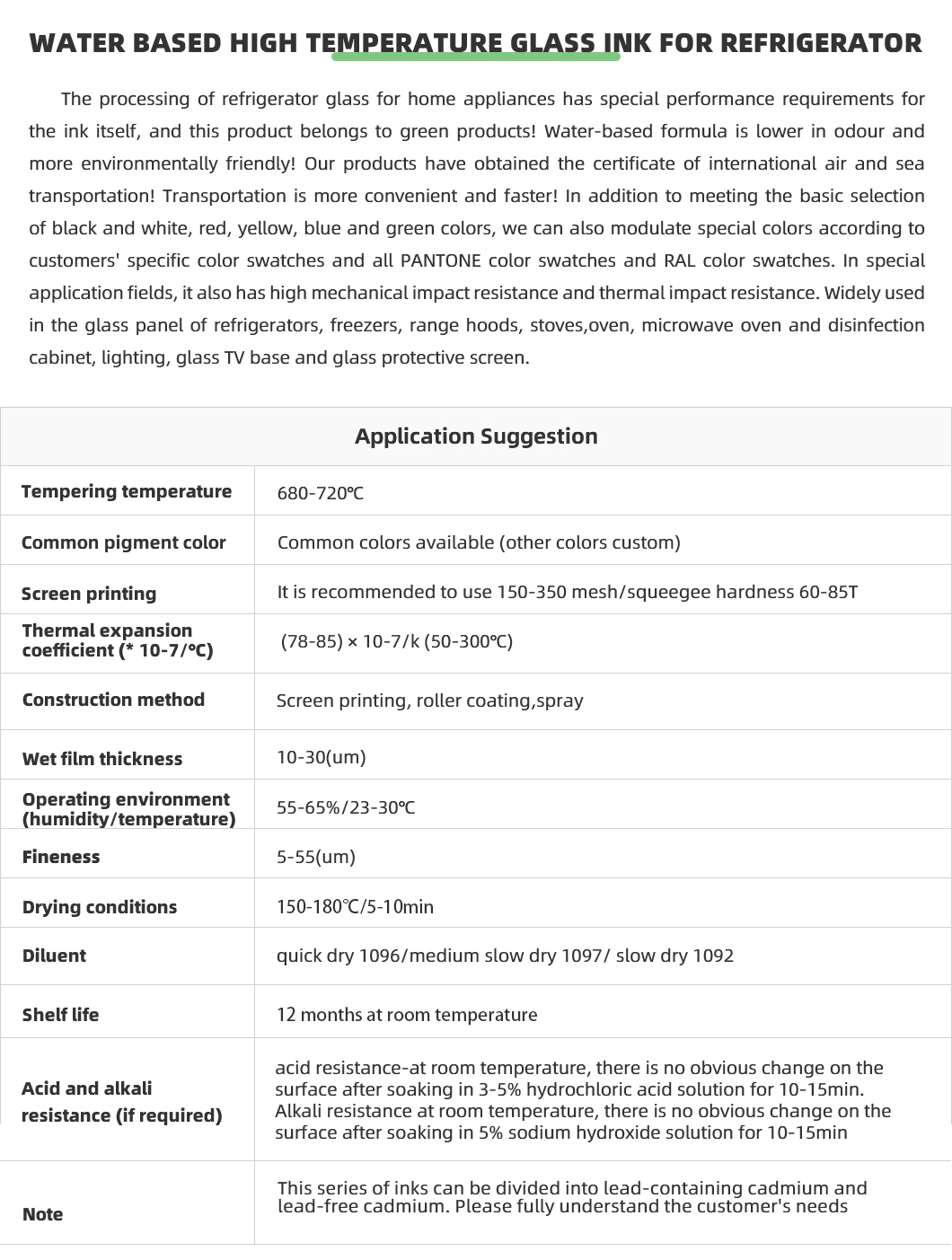
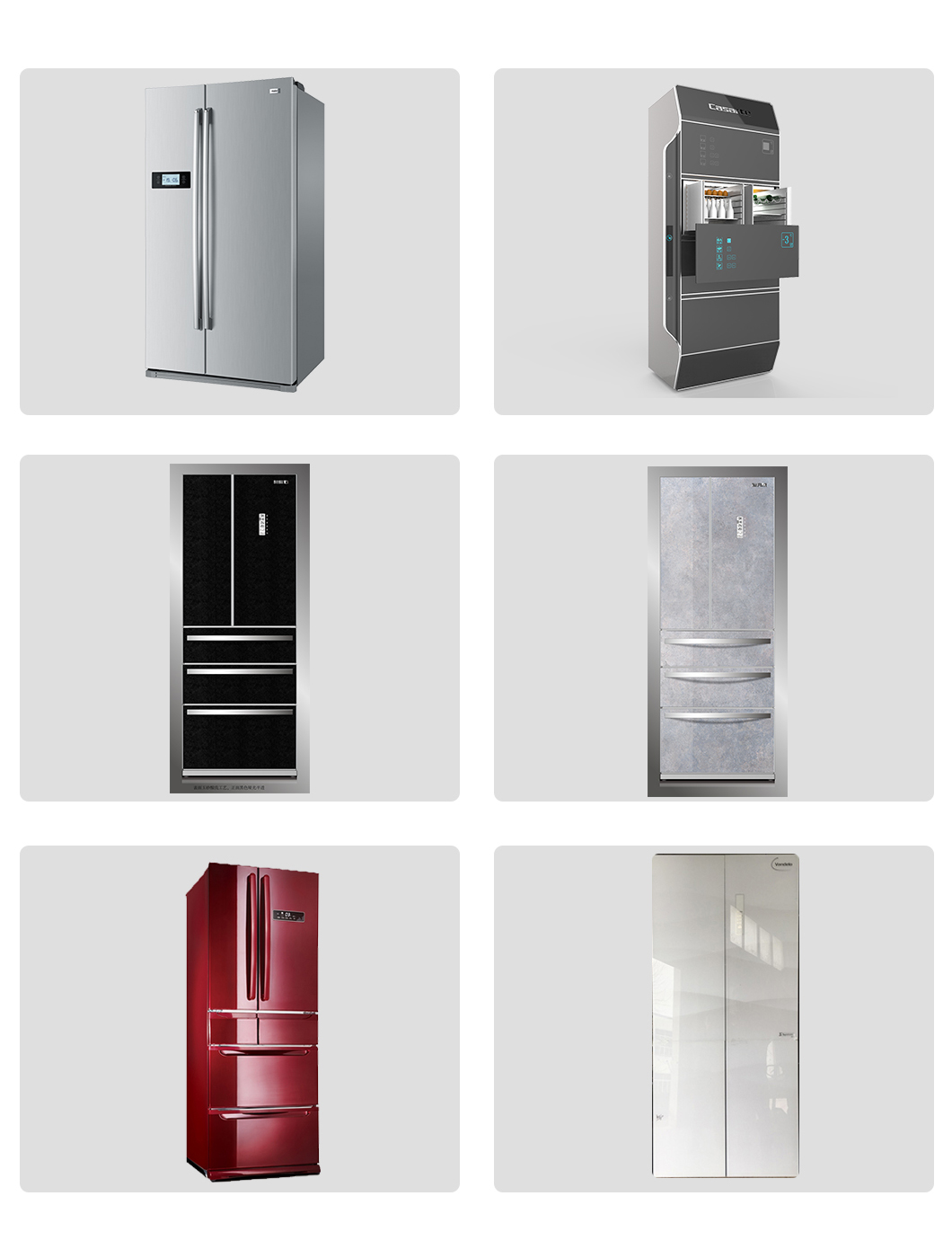
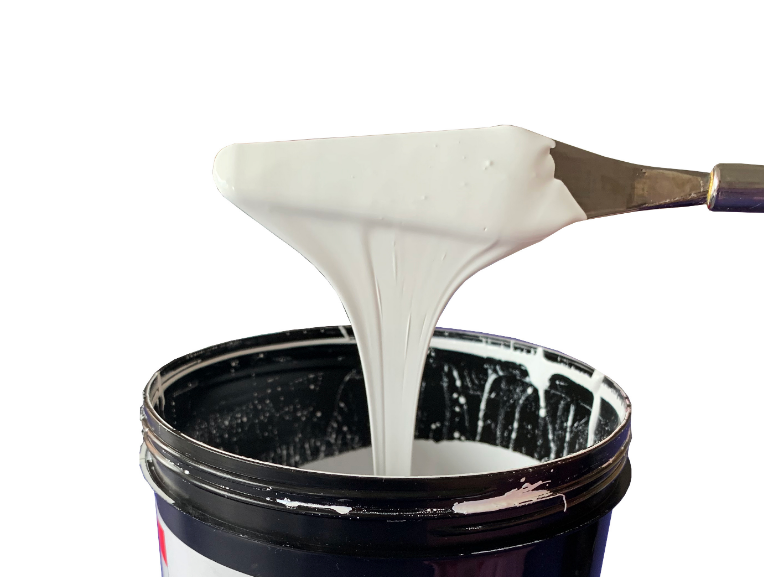
This series of water-based high-temperature refrigerator glass inks uses deionized water as the dispersion carrier and is made from modified high-temperature silicone-acrylic resin, low-expansion inorganic frit for household appliance glass, low-temperature and humidity-resistant inorganic pigments, and glass-specific silane adhesion promoters through ultra-fine grinding. It is an environmentally friendly screen printing ink specifically designed for tempered glass doors of refrigerators, freezers, wine cabinets, and touch panels. It is available in two main systems: a two-component oven-baking type and a single-component tempered sintering type, completely replacing traditional solvent-based household appliance glass inks.
The product has low VOCs and low odor. The screen and squeegee can be cleaned with water, making it suitable for fully automated screen printing and tempered glass production lines for household appliances. It is specifically optimized for the long-term low-temperature, high-humidity, and frequent cleaning agent wiping conditions of refrigerators, meeting the environmental protection, condensation resistance, temperature cycling resistance, and detergent resistance testing standards for household appliances. It is mainly used for printing light-blocking black backgrounds on refrigerator doors, brand logos, touch icons, parameter markings, and decorative patterns.
Between the frozen world at-30℃ and the chemical battlefield of kitchen cleaner, the glass door of refrigerator suffers double destruction-the brittle crack and peeling of traditional ink, which makes high-end household appliances become consumables. With this food-grade certified ink, we forged an intergenerational protection system for refrigerator glass with molecular self-repairing technology and military-grade impact-resistant structure.
Triple shield technology-cracking the survival code of the extremely cold world
-30℃ adhesion revolution:
Nano-zirconia was tempered at 680-720℃ to form spiny crystals, which penetrated the surface of glass by 0.5μm and achieved an adhesion of 32MPa at -30℃ (the measured data exceeded the national standard by 113%).
Impact demonstration:
The door body was simulated to impact (50J impact energy) for 1000 times, and the peeling area of the coating was less than 0.02 mm (1/50 of the upper limit of EN 60335-2-24 standard).
Acid-base double antibody molecular city village
Extreme chemistry test matrix:
| Item | Standard | Performance |
| Soak in 5% hydrochloric acid for 15min | ISO 2812-1 | Gloss change of 0.5% |
| Wash with 5% sodium hydroxide for 30min | ASTM D3359 | Adhesion 4B grade |
| 84 disinfectant (1:50) | MIL-STD-810G | ΔE<0.3 |
Life scene restoration:
"Golden Triangle" of Equipment Collaboration —— A Breakthrough Tool for Flexible Manufacturing
▍ Manual Wood Screen Printing Hand Squeegee Handmade Artifact
Innovation of beech scraper (60-85T);
Record of conquest of four extreme scenes
Antistatic index > 10 13 Ω (the highest level of IEC 61340)



A partner built on chemistry expertise, environmental commitment, and lasting customer relationships.